Shot for the Thumb: Why Czech Adult Studios Are Filming for Your Phone Before Your TV
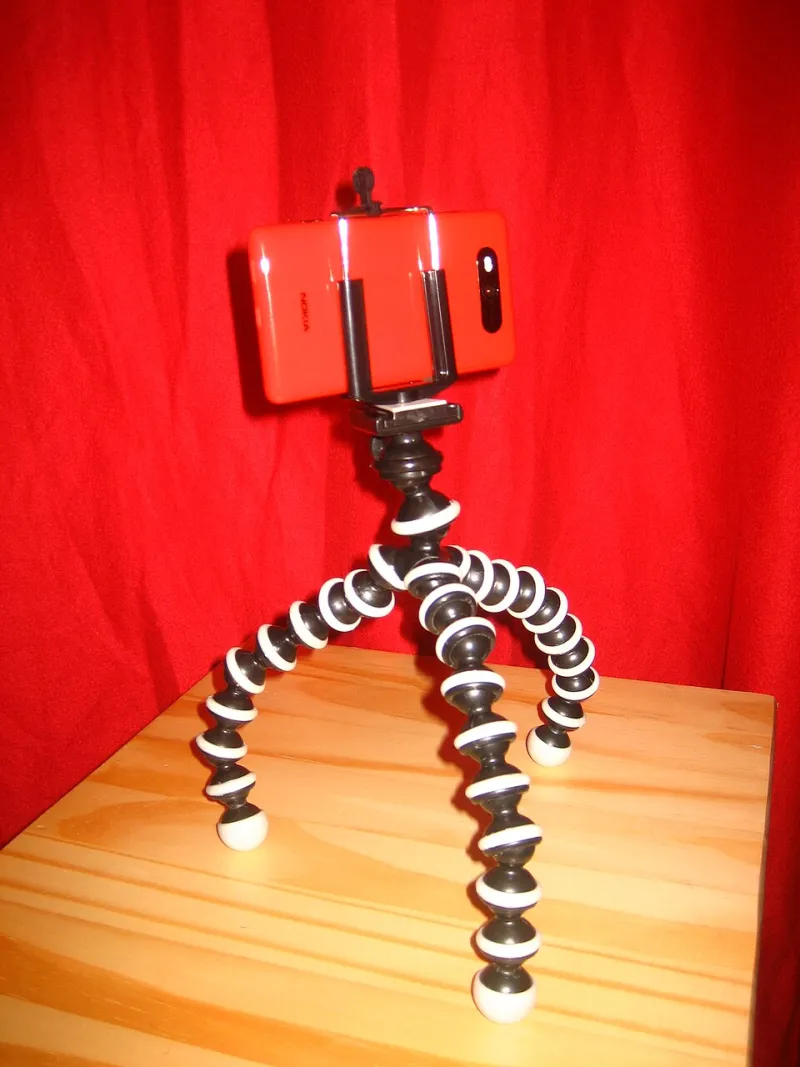
Photo: I G, CC BY 2.0, via Wikimedia Commons
Walk onto a Czech adult set in 2026 and you'll notice something odd: there are usually two cameras, and the less impressive one is the one the director keeps checking.
That's the phone rig. It's framing a 9:16 vertical master, and in a growing number of Prague productions it's not a bonus deliverable — it's the primary version. The widescreen camera is there because someone still wants a cinematic cut. The phone is there because that's where the audience is.
The numbers pushed this, not the aesthetics
Mobile-first production isn't a stylistic crusade. It's arithmetic. Czech platforms have watched completion rates on vertical clips run well ahead of the same scenes in landscape, particularly on phones, and particularly in the first thirty seconds. When a viewer is holding a six-inch screen in one hand, a wide shot of an apartment is mostly wasted pixels — the subject occupies maybe a fifth of the frame, and the rest is furniture.
So studios tightened up. Tighter framing, closer camera positions, fewer establishing shots. A scene that would once have opened with a slow pan across a room now opens on a face, because a face reads at thumbnail size and a room doesn't.
Shorter isn't lazy — it's engineered
Run times have come down too. Where a Czech production might once have aimed for a thirty-minute feature, plenty of 2026 output lands in the six-to-fifteen-minute range, sometimes split into chapters.
The argument against this is obvious: it feels like content getting cheaper. The argument for it is that attention is a resource with a shape, and the shape on a phone is different. Short scenes get finished. Finished scenes get rated well. Well-rated scenes get recommended. It's a loop, and the short format feeds it.
The smarter studios treat it as an editorial decision rather than a budget one. A tight eight-minute scene with a clear arc beats a meandering twenty-five-minute one that ran out of ideas at minute nine. Czech producers have always been good at doing more with less — that's a national filmmaking tradition, not a coincidence — and this format rewards exactly that skill.
Sound design for $20 earbuds
Here's the part nobody outside production talks about: vertical scenes are usually watched on earbuds. Cheap ones. Often one ear, because the other ear is doing something else.
That changes the mix. Czech studios have started mastering for small drivers — pushing dialogue and intimate sound forward, pulling back the wide ambient beds that sound impressive on a soundbar and turn to mush in a bud. Some productions now run two masters: a rich one for the TV cut, a punchy one for mobile. It's a small technical choice with an outsized effect on whether a scene feels present or distant.
The American widescreen habit
US platforms, by and large, are still building for the living room. That made sense when the living room was the only place adult content could live. It makes less sense now that the phone is the default screen for almost everything else.
Some American services have added vertical feeds — usually as a discovery layer bolted onto a widescreen library, cropped from the original rather than shot for it. You can tell. Cropped vertical looks like a landscape scene with the sides chopped off: heads drift toward the edges, framing goes slack, and the composition stops making sense.
That's the gap. Czech studios are shooting for the frame; American platforms are cropping into it. One is a production decision, the other is a post-production compromise, and viewers register the difference even if they can't articulate why.
What gets lost
It would be dishonest to pretend nothing is sacrificed. Vertical is a cramped canvas for two people, for movement, for the kind of wide composition that makes a scene feel like a place rather than a close-up. Some Czech directors are openly grumpy about it.
The compromise most have landed on is a dual-master workflow: shoot wide enough to protect the landscape cut, frame tight enough to make the vertical cut work, and accept that neither version is perfect. It costs more time on set and more time in the edit. It's also, increasingly, just the job.
Where this goes next
Expect three things in 2026 and into 2027. More vertical-native scenes shot with no landscape version at all, because the landscape version doesn't pay for itself. More chaptered releases built for interrupted viewing. And more studios treating the phone as the reference device during the edit, with the TV as the afterthought it never used to be.
The widescreen cut isn't dying. But in Prague, at least, it's no longer the one the director is checking.