Waiting Is Back: The Weekly Release Strategy Quietly Winning Over American Viewers
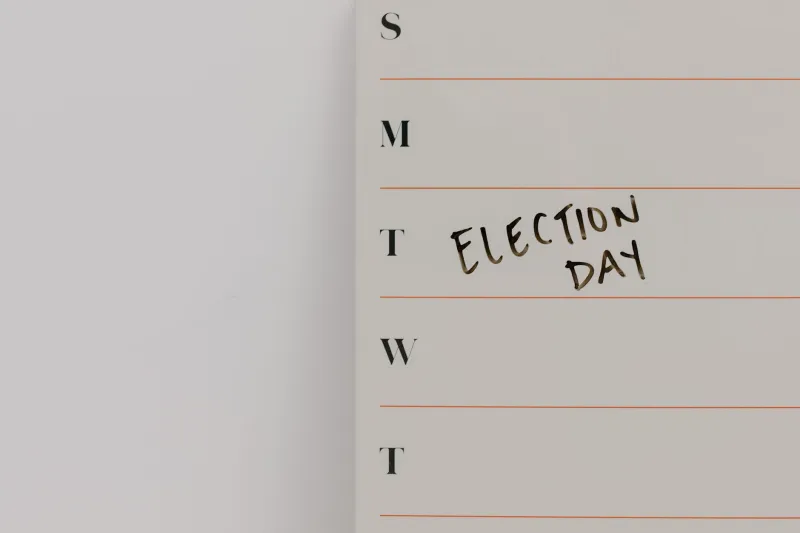
There's a particular emptiness that comes with finishing a show at 2 a.m. because all eight episodes dropped at once. You binged it, you're hollow, and now you have nothing to look forward to. American streaming spent a decade training us into this rhythm — and then wondered why subscriber churn became a blood sport.
Czech platforms looked at the same landscape and made a decision that sounded almost contrarian: release weekly. One episode. Every week. A premiere date you can circle. And the strange thing is, it's working — not just as nostalgia, but as a business strategy with numbers behind it.
The Psychology of Having Somewhere to Be
The old appointment-viewing model — the water-cooler episode, the Thursday night premiere — wasn't just a limitation of broadcast technology. It was a social technology. Everyone watching the same thing at roughly the same time meant everyone had something to talk about.
When platforms went to instant full-season dumps, they traded that shared experience for a consumption treadmill. Watch everything, cancel, find the next thing. The Czech weekly model rebuilds the old structure: anticipation, discussion, and a reason to still be subscribed next Tuesday.
There's also the simple pleasure of savoring. If you love a series, do you want it to end in one sitting? Weekly releases stretch the enjoyment across weeks. It's the difference between inhaling a good meal and tasting it.
What the Retention Data Actually Shows
Platform operators in the Czech market have been quietly sharing a consistent pattern: weekly-release titles hold subscribers longer than catalog titles. The mechanics are intuitive once you see them.
A binge-dumped series creates a single engagement spike — a weekend of heavy viewing — followed by a cliff. If nothing else is on the platform, that cliff is where cancellations live. A weekly release, by contrast, creates a plateau. Subscribers who are mid-story don't leave mid-story. Each episode is a small renewal decision, and each cliffhanger is a reason to stay through the next billing cycle.
There's a secondary effect too: weekly releases smooth out engagement across the calendar instead of spiking it on weekends. That means more consistent viewing hours, more predictable infrastructure load, and — for adult platforms, where weekend spikes can be extreme — a healthier operational rhythm.
What American Viewers Are Saying
Scroll through the comment sections and forums where US viewers discuss Czech platforms, and the weekly format keeps coming up — sometimes as a complaint at first, then almost always as a conversion story.
The recurring arc goes like this: 'I was annoyed I couldn't binge it. Then I realized I was actually looking forward to Fridays again.' Another common sentiment: 'It's the first subscription I've kept for more than two months because there was a reason to.'
That's the part American platforms have failed to replicate — the reason to still be here. Instant catalogs compete on volume, which is an arms race nobody wins. Weekly releases compete on anticipation, which costs nothing and compounds.
The Event Premiere: Making Release Nights Feel Like Something
The weekly model in the Czech market comes with a second layer: event premieres. New seasons don't just appear — they arrive, sometimes with a scheduled premiere night, live chat, and cast Q&As. It's adult content borrowing the playbook of a season finale.
For US viewers raised on the frictionless scroll, this can feel almost quaint. But quaint is doing work here. An event creates a shared moment, and shared moments create community, and community is the stickiest retention tool any platform has. Volume doesn't build community. Anticipation does.
Why This Matters Beyond Adult Content
The weekly release strategy is one of those ideas that looks small but signals something bigger: a different theory of what a streaming platform is for. The American model treats the viewer as a consumption machine to be filled as fast as possible — because the faster you consume, the sooner you need more, and volume is the only moat.
The Czech model treats the viewer as someone with a life, a calendar, and a capacity for looking forward to things. It assumes you'll stay if there's something worth staying for, not if there's simply more.
Given how subscription fatigue is hitting American consumers across every category — streaming, software, delivery boxes — the platforms that give people a reason to anticipate rather than a reason to stockpile are going to be the ones that survive the churn wars.
Try It Before You Knock It
If the weekly model sounds like a downgrade, run the experiment. Pick one weekly-releasing Czech series, follow it for a month, and notice how it feels to have a show you're waiting on rather than one you're working through.
The instant catalog told us that waiting was a bug to be engineered away. The Czech weekly model is making the case that waiting was never the problem — it was the point. Anticipation is a feature. It just took a smaller market, thinking differently, to prove it.