Craft Over Flash: The Production Secrets Behind Czech Adult Cinema's Global Appeal
There's a moment most American viewers describe the same way when they first encounter premium Czech adult content — a kind of double take. The framing looks intentional. The lighting doesn't feel like an afterthought. The location actually makes sense for the scene. It's not that domestic productions are universally bad, but there's something noticeably different coming out of Central Europe, and it's worth unpacking exactly what that is.
Czech studios have spent the better part of two decades quietly refining a production philosophy that borrows as much from European arthouse cinema as it does from mainstream adult entertainment conventions. The result is a body of work that appeals to viewers who've grown tired of the cookie-cutter aesthetic dominating so much of the market.
Cinematography That Actually Has a Point of View
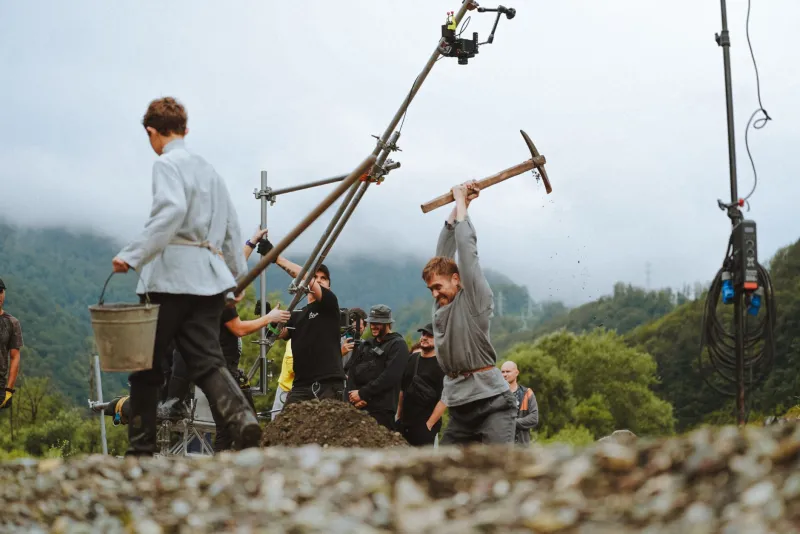
One of the first things that sets Czech productions apart is the camera work. Where a lot of mainstream content relies on static setups and predictable angles, Czech directors tend to work with more dynamic compositions. Natural light gets used strategically — shooting near large windows, in open courtyards, or during golden-hour exteriors isn't unusual. This isn't just an aesthetic choice; it signals a director who's thinking about mood and atmosphere rather than just coverage.
Color grading is another area where Czech studios invest real effort. The warm, slightly desaturated palettes that show up in a lot of Central European productions give the content a cinematic texture that feels closer to a drama series than a typical adult shoot. For American viewers raised on prestige TV and high-production streaming, that visual language reads as quality immediately — even if they can't articulate exactly why.
Czech cinematographers also tend to favor longer takes and more deliberate pacing. Rather than cutting aggressively to maintain artificial energy, the camera lingers, lets scenes breathe, and builds tension organically. It's a subtle thing, but it fundamentally changes how a viewer experiences the content.
Sound Design: The Underrated Differentiator
Ask most people what separates good adult content from great adult content and they'll talk about visuals. Almost nobody mentions audio — which is exactly why Czech productions stand out in this area. Sound design in Czech studios tends to be treated with the same care you'd expect from a mid-budget feature film.
Room tone is captured and managed properly. Background noise is controlled. Audio levels are balanced so dialogue (where applicable) and ambient sound coexist without clashing. Some productions even incorporate original music compositions rather than relying on generic royalty-free tracks, which dramatically changes the emotional register of a scene.
For American viewers streaming on good speaker setups or headphones — which is increasingly the norm — this difference is immediately perceptible. Bad audio is one of the fastest ways to break immersion, and Czech studios seem to understand that in a way a lot of their competitors simply don't.
Location Scouting as Storytelling
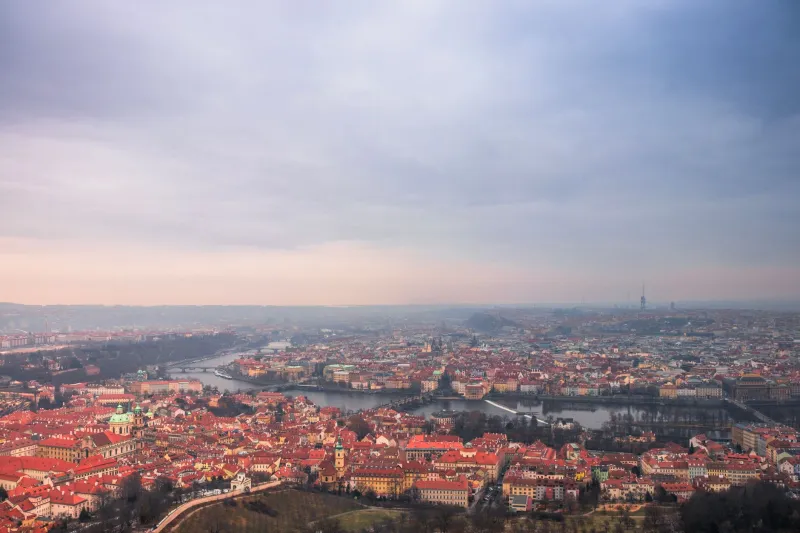
Czech Republic is, objectively, a stunning country to film in. Prague's architecture alone offers a visual vocabulary that no American suburb can replicate — Gothic spires, Baroque interiors, cobblestone streets, brutalist apartment blocks that carry their own strange beauty. But beyond the obvious landmarks, Czech location scouts have developed a knack for finding spaces that feel lived-in and specific rather than generic.
A scene set in a cluttered artist's studio in Žižkov hits differently than one shot in a beige California bedroom. A lakeside location in the Bohemian countryside carries an environmental authenticity that purpose-built sets can't manufacture. These choices ground the content in a real-feeling world, which paradoxically makes the fantasy elements more effective, not less.
For American audiences, there's also a genuine novelty factor. The visual environment is foreign enough to feel escapist without being so alien that it creates distance. It's the sweet spot between familiar and exotic that good travel content also tries to hit.
Director Methodology: Autonomy and Artistic Investment
Perhaps the most significant structural difference between Czech productions and their American counterparts is the level of creative autonomy directors are given. Several of the most respected names working in Czech adult entertainment have maintained consistent directorial identities across dozens of productions — developing recognizable styles, recurring thematic interests, and long-term working relationships with performers.
This is relatively rare in American adult production, where content is often churned out under strict commercial formulas with little room for individual creative vision. When a director is given the latitude to develop a genuine aesthetic, it shows in the work. Performers seem more comfortable, pacing feels more considered, and the overall product has a coherence that episodic, formula-driven content rarely achieves.
Why This Matters for Viewers in 2024
The American streaming audience has been educated by a decade of prestige television and algorithm-refined content discovery. Viewers are more attuned to production quality than ever before, and they're increasingly willing to seek out content that meets higher standards — even if it means going outside their usual platforms.
Czech adult content benefits from this shift in a pretty direct way. It offers something that's genuinely harder to find domestically: adult entertainment that feels like it was made by people who cared about the craft. That's not a small thing. In a market flooded with content, authentic quality is one of the few differentiators that actually builds long-term audience loyalty.
At CzechVideo, we've watched American viewership numbers climb steadily as more people discover what Central European studios have been quietly building. The production values aren't an accident — they're the result of a creative culture that takes the work seriously. And audiences, it turns out, can tell the difference.